March 9, 2026
Understanding what typically happens during a plumber visit can help you prepare and ensure you're getting the most out of the service. This article outlines the key aspects of a plumber’s duties and what you might experience during their visit. Knowing what to anticipate can alleviate stress and make the interaction smoother. Plumbers perform a range of services, from basic repairs to complex installations, and having a clear sense of what they do offers reassurance. By demystifying the processes involved in a typical plumber visit, homeowners can better engage and ask pertinent questions, ensuring satisfactory results.
Pre-Visit Communication
The initial step in addressing any plumbing issue is effective communication before the visit. Scheduling an appointment involves describing the problem, providing necessary details, and confirming the time. This process allows the plumber to prepare adequately, possibly bringing the right tools and materials. A well-communicated problem can also expedite diagnosis and repair. Clear communication ensures expectations are set, reducing potential misunderstandings.
During this conversation, it’s advantageous to ask about the plumber’s availability and service range. Clarifying whether they charge a flat rate or an hourly fee is also beneficial. Discussing the issue in detail provides the plumber with crucial insights, allowing them to assess the situation beforehand. Ensuring clarity about the visit’s purpose can prevent surprises and ensure a more efficient service. A mutual understanding of the problem sets the stage for a productive visit.
Pre-visit communication can also help identify whether a more significant issue might be at play. Sometimes, plumbers might provide initial steps to prevent further damage. This discourse confirms the appointment and informs both parties of what to expect. It allows the homeowner to inquire about licenses, insurance, and guarantees, ensuring peace of mind. Solid communication is the foundation of a successful plumber visit.
Arrival and Introduction
The arrival of the plumber is an essential phase, marking the beginning of the on-site service. Professional plumbers identify themselves, often showing credentials for verification. This introduction fosters trust and sets a professional tone for the visit. Confirming the details discussed previously helps ensure that both parties are on the same page. A polite greeting and clear communication form the cornerstone of a positive service experience.
Upon arrival, the plumber often asks to see the problem area to make an initial assessment. They might inquire about any changes or additional issues noticed since the first communication. This interaction offers homeowners the chance to reaffirm specific concerns or ask new questions. A plumber’s courteous demeanor assures customers that their needs are prioritized. The introduction phase sets the stage for a collaborative service process.
Through effective communication, the plumber gathers insights that aid in a proper diagnosis. Assessing the problem area firsthand provides invaluable information that might not have been evident before. This observation allows the plumber to adjust their approach if necessary. Homeowners are encouraged to express any additional concerns at this stage. Initial impressions during the introduction can significantly influence the overall experience.
Inspection of Problem Area
The inspection of the problem area serves as the first step in diagnosing the plumbing issue. Plumbers rely on their expertise and keen observation to analyze potential problems. They examine visible components and might need access to other areas to understand the issue fully. This inspection often involves asking the homeowner relevant questions to gather comprehensive information. A systematic approach ensures no detail is overlooked during the initial assessment.
During inspection, plumbers look for signs such as leaks, rust, or other forms of damage. These signs can provide clues about underlying problems. A thorough inspection may involve turning on fixtures, checking water pressure, or observing drainage efficacy. The plumber’s experience allows them to detect issues that might not be apparent to untrained eyes. Accurate inspection is crucial to forming a reliable diagnosis and effective solution plan.
The inspection might require using specialized equipment to examine hidden areas. For instance, plumbers might use cameras to inspect pipes or moisture meters to detect leaks. These tools help identify issues that are not visible to the naked eye. Homeowners might be asked to open access points, such as cabinets or control panels, to facilitate a comprehensive inspection. Effective inspection lays the groundwork for the next steps in resolving the plumbing issue.
Using Diagnostic Tools
Plumbers often employ various diagnostic tools to get to the root of plumbing issues. These tools, ranging from basic to advanced, allow them to assess conditions otherwise invisible. Plumbers use pressure gauges to check water system integrity or electronic leak detectors for pinpointing hidden problems. The use of such tools minimizes guesswork and accelerates the problem-solving process. Technological advancements have significantly improved how plumbers diagnose issues, making repairs more accurate and efficient.
Modern plumbing tools include video cameras for internal pipe inspections and thermal imaging devices that detect hot and cold spots. These tools enable the plumber to detect blockages or breaks in pipes without invasive measures. A professional plumber's adept handling of these tools is crucial for producing reliable results. Homeowners benefit from timely and precise evaluations, leading to comprehensive repair strategies. With proper diagnostics, issues are identified swiftly, resulting in reduced downtime and lower costs.
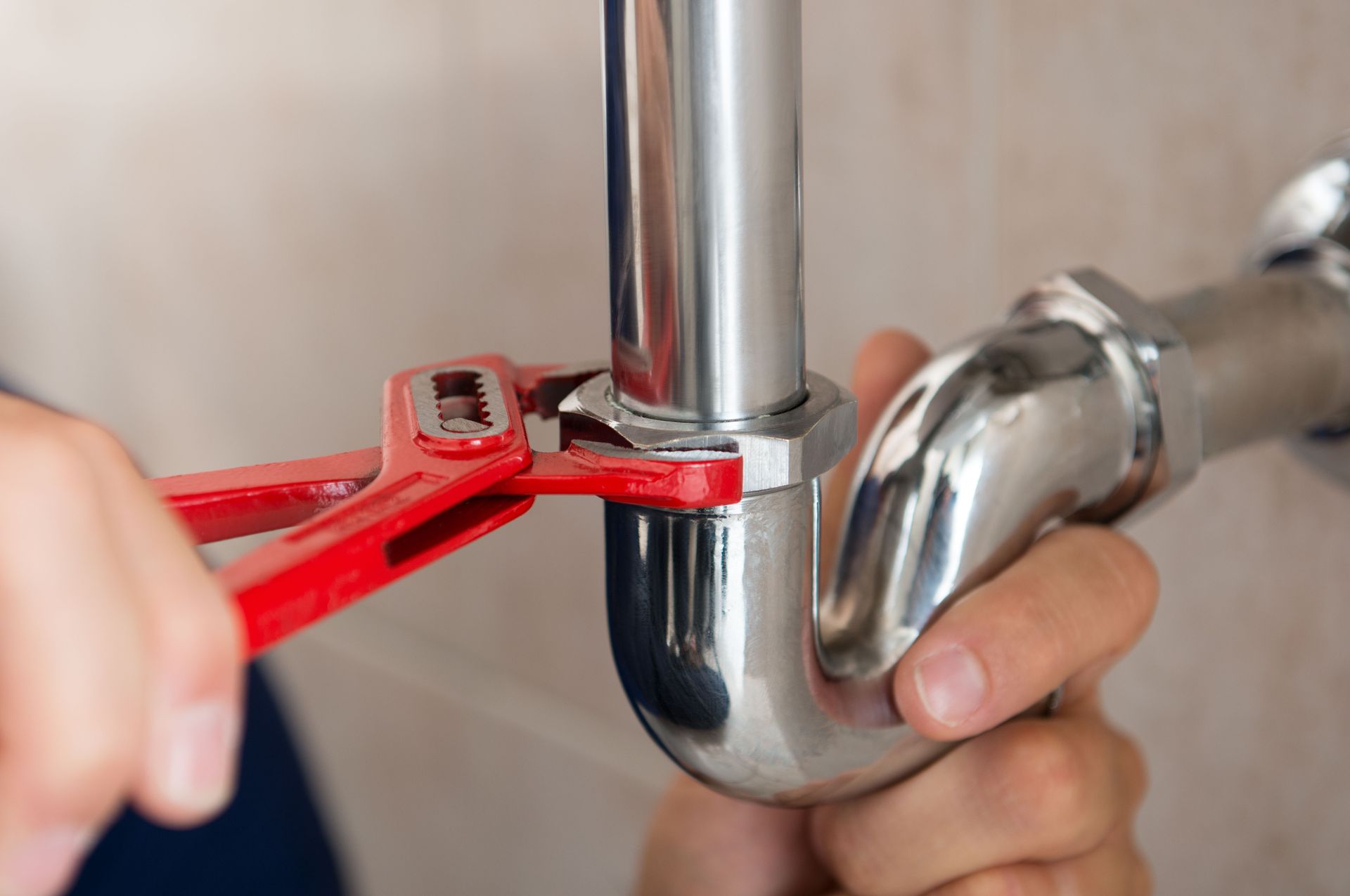
Plumbers may also employ traditional tools like wrenches, snakes, and plungers during the diagnostic phase. Some tools are indispensable for basic troubleshooting; for example, a snake might temporarily clear a blockage to facilitate inspection. The combination of advanced and conventional tools provides a holistic diagnostic approach. Understanding tool usage enhances the plumber’s ability to deliver efficient and effective service. Diagnostic tools and their correct application are essential in providing solutions that are both effective and enduring. Did you know? According to Forbes, you should schedule a professional HVAC maintenance check once every year.
Providing a Preliminary Diagnosis
After inspecting the problem, plumbers offer a preliminary diagnosis to outline potential issues. This diagnosis informs homeowners about what might be causing their plumbing troubles. By articulating potential causes and solutions, plumbers empower homeowners to understand their options. This transparency is crucial in building trust between the service provider and the customer. An informed diagnosis facilitates better decision-making regarding repairs.
Plumbers often discuss the symptoms and possible causes in layman's terms to aid understanding. While technical jargon might be unavoidable, experienced plumbers link issues to practical illustrations. For instance, they might show how a leaking pipe can lead to water damage over time. This illustrative explanation enriches the homeowner's comprehension of the problems at hand. Understanding the issue fully prepares homeowners to consider the proposed solutions and their implications.
Providing a preliminary diagnosis includes discussing possible solutions and any stopgap measures. Plumbers might suggest temporary fixes to prevent exacerbation until a permanent solution is feasible. Homeowners should engage actively, asking questions to clarify any uncertainties. A reliable preliminary diagnosis sets the stage for calculating repair costs and timeframes. It is vital to establish a mutual understanding and agree upon the next course of action.
Understanding what happens during a plumber's visit helps homeowners feel prepared and confident. From clear pre-visit communication to thorough inspections, the use of diagnostic tools, and preliminary assessments, each step ensures that plumbing issues are accurately identified and efficiently resolved. By knowing what to expect, you can ask informed questions, engage effectively with the plumber, and make decisions that protect your home and investment. Being proactive and aware throughout the process not only streamlines repairs but also builds trust and ensures a smoother, more satisfactory service experience. To schedule services, contact Doug's Oil Inc today!